

The online gaming world sometimes asks players to navigate official hoops aviatorcasino.app. For a game like JetX, players in places with strict rules, such as Canada, might encounter a surprising step: getting documents notarized. This step can feel like standing in a slow-moving line at a notary’s office. It’s a mandatory pause, a bridge between the digital game and real-world legal systems. This requirement highlights how serious online platforms, including crash games, have become about following the law. Let’s explore why this happens, how it affects players, and what this “queue” really means for trust and rules in international gaming.
Decoding the JetX Game Popularity
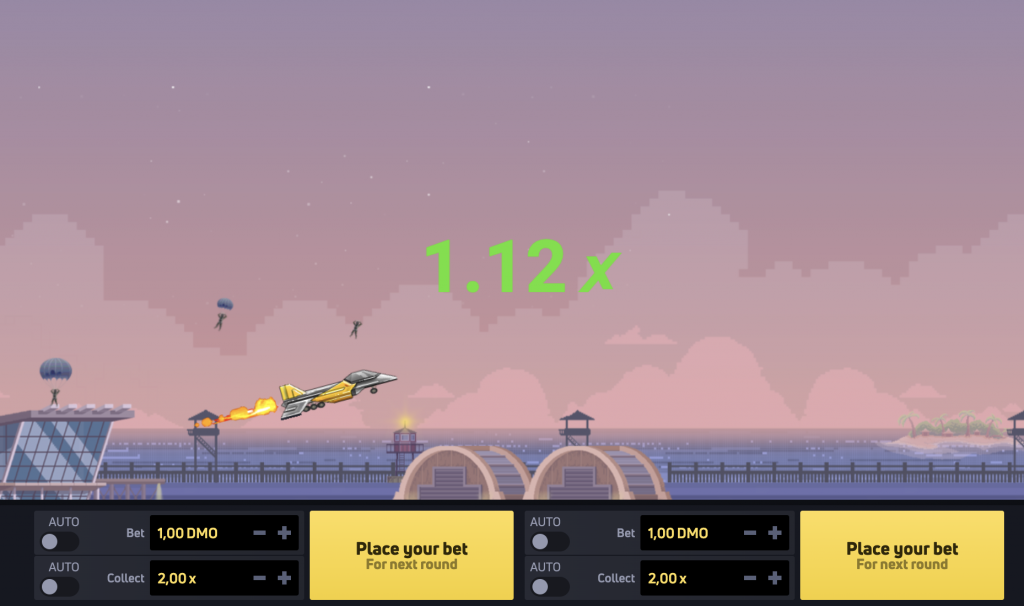
JetX Game is a high-stakes game. The idea is straightforward. You make a bet and observe a multiplier rise from 1x. You need to cash out ahead of the multiplier falls to zero. The game works on a simple tension: cash out early for a lower win, or risk it all for higher. Its sleek, airplane-themed graphics and this intense moment have rendered it favored. It’s not random; timing plays a role. For the platforms that host JetX, building trust is paramount. That demand for trust drives to stringent user screening. Sometimes, for big account transactions or withdrawals in licensed regions like Canada, that means having a notary to certify a form. It’s part of the journey.
The Function of Official Document Verification in Online Gaming
Confirming identity documents is a basic part of online gaming now. It’s how platforms fight fraud, stop money laundering, and block underage players out. When JetX Game operates in a market like Canada, it must comply with Know Your Customer (KYC) and Anti-Money Laundering (AML) laws. Players typically have to send a photo of their driver’s license, a recent bill for their address, and sometimes documentation of where their money comes from. A notary’s stamp adds another level of assurance. It verifies a document is genuine. This process secures the platform and the players. It keeps the game fair, secures money moving in and out, and enables the operator maintain its license. The aim is a safer space for everyone.
The reason a “Notary Waiting Line” Metaphor Fits
“Notary service queue” is a helpful way to view the delay and the formal step. Not every player needs a notary. But the sense of being in a line relates to the whole verification process. If a player’s account raises flags, or for a very large withdrawal, the site might request a notarized ID or a sworn statement. The player then has to find a notary public, visit them in person, and have the papers stamped. Then they submit them and wait for review. This creates a queue—a pause where the account is held. This queue indicates a shift. It’s where a digital profile encounters the old-school, paper-based world of legal proof. The goal is to be meticulous, not speedy.
Canadian-based Regulatory Landscape for Gaming Platforms
Canada’s guidelines for online gaming are a patchwork. Each province establishes its own regulations, instead of having one national law. This implies what games you can play, and what operators must adhere to, differs if you’re in Ontario versus another province. JetX is often accessed on international platforms. When a Canadian uses these websites, the platform’s own global standards take effect. These policies are often written to comply with the toughest requirements from anywhere they operate. They emphasize protecting customers, keeping data private under Canada’s PIPEDA law, and ensuring money is trackable. So, when a platform asks a Canadian user for a notarized paper, it’s often being cautious. The operator wants to meet high benchmarks before any regulator even asks.
Detailed Walkthrough: The Document Authentication Process
When a player must authenticate documents., the path is clear but detailed. To start, customer service sends a notification. It details the required documents and could include a form for the player. The player locates a licensed notary or commissioner for oaths. Within Canada, you can find them at law offices, certain postal outlets, and some banking institutions. The player brings the original documents and copies. The notary checks the player’s face against the photo ID, verifies the duplicates are true to the originals, and attaches an official stamp or mark. At times, the player must swear a written declaration, referred to as an affidavit. Lastly, the player scans the notarized papers and uploads them to a safe portal. Precise instructions from the casino website are vital. Ambiguous instructions can lead to rejections, sending the player back to the start of the line.
Typical Challenges in the Verification Queue

The verification line comes with its own set of headaches. Support tickets can take days to get a reply. Instructions might be confusing about which page of a passport needs stamping. Finding a notary takes both time and money. For someone in a remote northern community, the trip could be long. Small errors, like using a nickname for an account instead of your complete legal name, can lead to a submission being rejected. If documents are in a different language, a certified translation might be necessary. These friction points reveal a gap. Playing JetX is seamless and digital. Proving who you are may be clunky and analog. The best gaming sites handle this well. They offer clear instructions, answer questions quickly, and sometimes cover the notary fee to keep a good player content.
How JetX Game Platforms Streamline Official Procedures
Smart platforms that host JetX view document checks as a key part of the player’s experience. They aim to make it easier. They establish dedicated verification teams. Their help sections have detailed guides, sometimes with illustrations. They use secure, encrypted upload portals for sensitive documents. Some employ third-party digital ID services that check your face against a database, which can avoid the notary step entirely. When a notary is necessary, the best sites provide a clear letter for the notary to examine. This letter clarifies exactly what stamp or signature is needed. They also tell players how long the review will last, and they provide updates. Getting this right is a real benefit. A seamless, predictable official process makes players have confidence in the site. It shows the operation is trustworthy and cares about both safety and the player’s time.
Balancing Security with User Experience
Every online gaming site faces the same dilemma. How do you keep secure without annoying your players? One side requires strict checks to follow the law and block cheats. The other side expects to play instantly and cash out money without delay. The “notary service queue” is the heaviest security measure. The answer usually is found in a tiered system. Most players get through with a fast digital check. Only in special cases does the system request more. A huge withdrawal, or logging in from a new country, might activate the request for a notarized paper. This risk-based approach simplifies things for most people. It reserves the big guns for the rare cases that truly require them. The system remains secure without subjecting everyone to hassle.
The Coming Era of Digital Authentication in Gaming
The future will likely reduce the notary queue. New technology is changing how we prove who we are. Blockchain could let you have a digital ID that governments issue and any site can verify instantly. Biometrics, like using your face against a passport database, will become more common. There’s also talk of “self-sovereign identity,” where you control one digital proof of identity for all your online accounts. For a game like JetX, this means verification could be both faster and more reliable. Rules would still be fulfilled, but players wouldn’t have to scan and upload papers. The notary step won’t vanish completely for complex situations. But for everyday checks, the process will melt into the digital background. Playing a game and proving you’re legit will feel like one smooth action.
